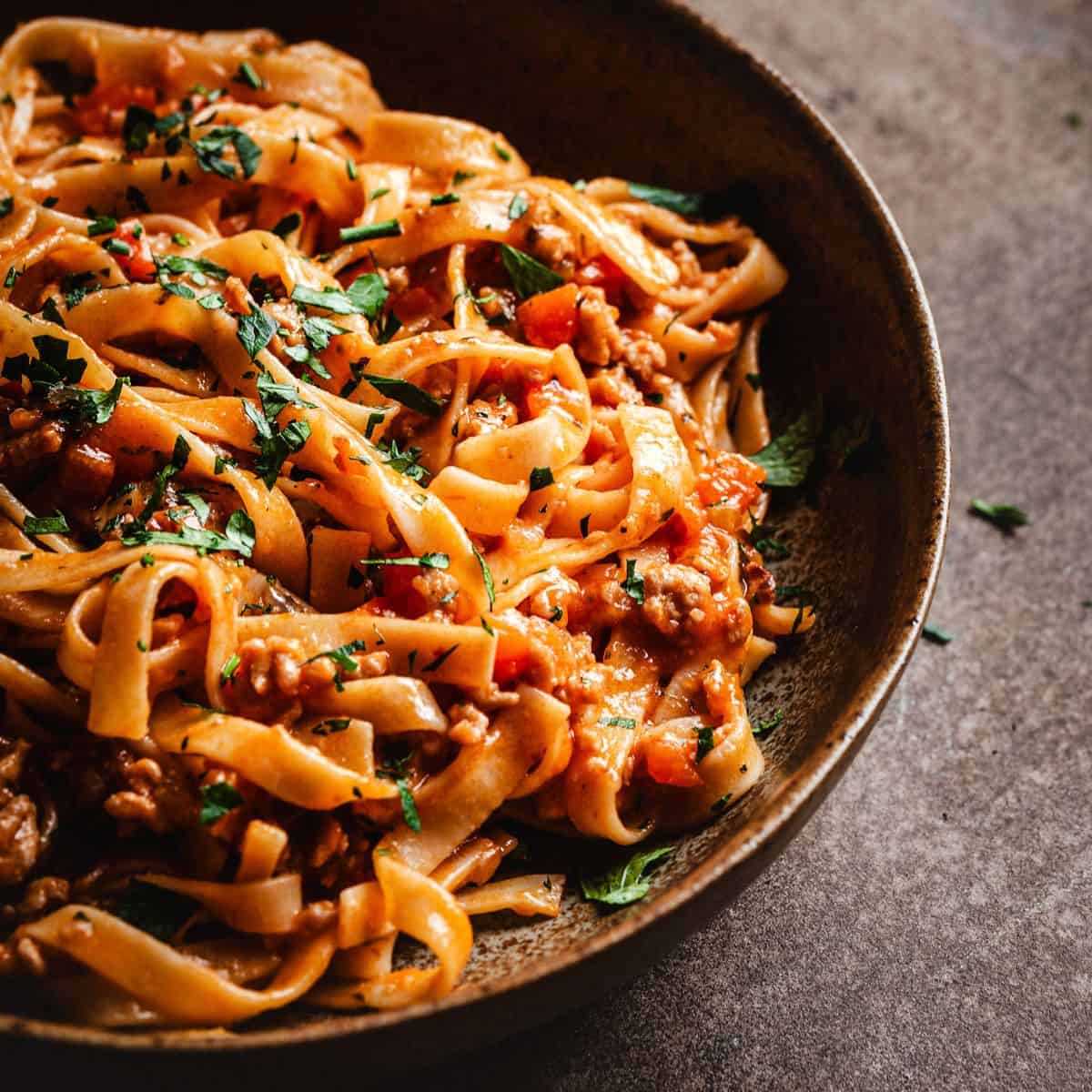
The Easiest Pork Ragu: Slow-Cooked Comfort for Any Night
There's a special kind of magic that happens when humble ingredients are cooked low and slow, transforming into a dish that's rich, complex, and utterly satisfying. Enter easy pork ragu – a hearty, slow-cooked meat sauce that promises a symphony of flavors with surprisingly little hands-on effort. Imagine a robust, meaty red sauce, tangy with tomatoes, subtly sweet, and kissed with garlic, all clinging perfectly to a bed of your favorite pasta. It's the quintessential comfort food, ideal for crisp autumn evenings, cozy winter weekends, or simply when you crave something deeply nourishing.
While some ragu recipes might seem daunting, this approach to easy pork ragu focuses on maximizing flavor through strategic ingredient choices and the power of passive cooking. It’s a dish that rewards patience, creating an experience that feels both gourmet and incredibly homey without chaining you to the stove. So, let’s dive into how you can bring this fall-apart tender, rich, and flavorful ragu to your table, proving that truly exceptional comfort food doesn't have to be complicated.
Why Pork Ragu is the Ultimate Comfort Food
As the days shorten and the air grows cooler, our bodies naturally crave warmth and sustenance. This is where the appeal of dishes like pork ragu truly shines. It's more than just a meal; it's an experience that evokes a sense of well-being and contentment. Picture a lazy, overcast Sunday: the aroma of rich tomato and slowly braising pork wafting through your home, building anticipation long before the first bite. The beauty of this easy pork ragu lies in its ability to deliver immense satisfaction, making you feel like a culinary wizard, even though much of the heavy lifting is done by your oven or slow cooker.
Unlike quick weeknight meals, a slow-cooked ragu provides a delicious sense of accomplishment. You’ve taken simple, inexpensive cuts of meat and transformed them into something truly spectacular. The long braising time allows the flavors to meld and deepen, creating a sauce that's incredibly complex and soul-satisfying. It’s the kind of dish that nourishes not just the body, but also the spirit, making it a beloved staple for any comfort food enthusiast. When you spoon that tender, shredded pork and luscious sauce over a generous pile of noodles, every mouthful is a reminder of the simple joy of good food shared.
The Magic of Slow Cooking: Choosing Your Pork
The secret to a truly fall-apart tender ragu lies in the cut of meat and the cooking method. For an easy pork ragu, the undisputed champion is the pork shoulder roast, often labeled as Boston butt or pork butt roast. This cut is celebrated for its perfect balance of meat and fat, along with a good amount of connective tissue. When subjected to long, slow cooking times through braising, this tissue breaks down, rendering the meat incredibly succulent and moist, literally falling apart at the touch of a fork. It’s the same cut used for mouth-watering carnitas and country-style pork ribs, a testament to its suitability for low-and-slow preparations.
Beyond its incredible texture, pork shoulder is also remarkably economical. Keeping an eye out for sales at your local butcher or grocery store can often yield prices as low as $1.99 per pound, making this a dinner-to-impress that won't break the bank. This affordability further solidifies its status as a go-to for hearty family meals.
Boneless vs. Bone-In Pork Shoulder
While many recipes call for a boneless roast for convenience, a bone-in pork shoulder will work just as well and can sometimes impart even more flavor to the sauce. The main difference lies in preparation: bone-in pork shoulder has a Y-shaped bone that can be a bit tricky to remove. If you opt for bone-in, simply use a sharp knife to carefully slice around the bone to remove it. Don't stress if a little meat clings to the bone; any remaining bits will only add to the richness of your stock or soup later. Whether you choose boneless or bone-in, trimming off any excessively large pieces of exterior fat before browning is recommended, though a good amount of marbling throughout the meat is desirable as it renders down, enriching the sauce and keeping the pork moist.
Building the Flavor Foundation: Soffritto and Sauce
Every great Italian-inspired sauce begins with a solid foundation, and for this easy pork ragu, that means a traditional soffritto. This aromatic trinity of finely diced carrots, celery, and onions is the unsung hero, providing a sweet, savory, and complex base that will ultimately melt into the sauce, becoming imperceptible in texture but essential in flavor. After the long, slow braising, these vegetables practically dissolve, leaving behind only their delicious essence.
Essential Aromatics and Liquids
- Soffritto (Carrots, Celery, Onion): Finely dicing these vegetables is key. The smaller they are, the more quickly they soften and integrate into the sauce.
- Garlic: Added after the soffritto has softened, garlic provides its signature pungent warmth. Be careful not to burn it, as this can turn it bitter.
- Wine: A dry red wine is crucial for deglazing the pan and adding depth. Cabernet Sauvignon is an excellent choice, but Merlot and Pinot Noir are also fantastic options. The alcohol cooks off, leaving behind a concentrated layer of flavor.
- Tomatoes: Crushed tomatoes are often preferred for ragu due to their consistent texture, but if you only have diced or whole tomatoes, don't despair! Simply pulse them a few times in their juices with an immersion blender, food processor, or countertop blender until they resemble a chunky salsa. This ensures the tomatoes break down effectively during cooking, contributing to the sauce's body rather than remaining as distinct pieces.
One invaluable tip before you begin cooking is to practice mise en place – "everything in its place." Finely dice your vegetables, measure out your wine and tomatoes, and prepare your pork before you even turn on the heat. This streamlines the cooking process, making it truly an easy pork ragu experience without frantic last-minute chopping.
Mastering Your Easy Pork Ragu: Step-by-Step Tips
Creating this deeply flavorful easy pork ragu involves a few critical steps that build layers of flavor. While the overall process is straightforward, paying attention to these details will elevate your dish from good to unforgettable.
Preparation and Browning
- Prep the Pork: Once you've chosen your pork shoulder, trim off any excessively large pieces of fat from the exterior. Then, cut the roast into approximately four evenly sized chunks. Don't worry about removing all the fat at this stage; smaller pieces of fat throughout the meat will render during cooking, adding flavor and moisture. Generously season all sides of your pork chunks with salt and freshly ground black pepper.
- Sear for Flavor: This step is non-negotiable for a rich ragu. In a heavy-bottomed pot or Dutch oven, brown the seasoned pork chunks on all sides until they develop a deep, golden-brown crust. This caramelization (the Maillard reaction) creates complex flavors that will be the backbone of your sauce. Work in batches if necessary to avoid overcrowding the pot, which can steam the meat instead of browning it. Remove the browned pork to a plate and set aside.
Building the Sauce
- Sauté the Soffritto: Reduce the heat to medium-low. Add your finely diced carrots, celery, and onions to the pot, scraping up any browned bits from the pork. Cook them gently until they soften and become translucent, about 8-10 minutes. This slow cooking allows their natural sugars to sweeten and deepen.
- Add Garlic: Stir in the minced garlic and cook for just another minute until fragrant. Be careful not to burn it.
- Deglaze with Wine: Pour in your chosen red wine, using a wooden spoon to scrape up all the delicious browned bits stuck to the bottom of the pot. This deglazing step is crucial for capturing all the concentrated flavor from the seared pork and sautéed vegetables. Let the wine simmer for a few minutes until it has reduced slightly.
- Combine and Braise: Return the browned pork chunks to the pot. Stir in the crushed tomatoes (or pulsed diced/whole tomatoes), beef or chicken broth, and any desired herbs like a bay leaf or a sprig of rosemary. Bring the mixture to a gentle simmer, then cover the pot tightly and transfer it to a preheated oven (or reduce heat to low for stovetop braising, or transfer to a slow cooker). Let it cook for 2.5 to 4 hours, or until the pork is absolutely fall-apart tender. The exact time will depend on your oven/slow cooker and the size of your pork chunks.
Finishing Touches
- Shred the Pork: Once cooked, remove the pork from the sauce and place it on a cutting board or shallow dish. Using two forks, shred the meat into bite-sized pieces. At this stage, you can easily pick out and discard any larger pieces of fat or gristle if desired.
- Marry Meat and Sauce: Return the shredded pork to the pot with the sauce. Stir everything together, allowing the meat to absorb the rich flavors of the ragu. Taste and adjust seasonings as needed, adding more salt, pepper, or a pinch of sugar if the tomatoes are too acidic. The sauce should be thick and cling beautifully to the pork.
Serving Suggestions and Variations
The beauty of this easy pork ragu lies not only in its flavor but also in its versatility. While it's a match made in heaven with pasta, don't limit your imagination.
Perfect Pairings
- Pasta: Opt for sturdy, broad noodles that can stand up to the hearty sauce and act as perfect vehicles for conveying flavor. Pappardelle, tagliatelle, rigatoni, and penne are all excellent choices. Cook your pasta al dente, then toss it directly with the ragu in the pot, allowing the sauce to cling purposefully to every strand or tube.
- Beyond Pasta: For a different kind of comfort, serve your ragu over creamy polenta, fluffy mashed potatoes, or even alongside soft gnocchi. A generous dollop over a crusty piece of bread makes for a divine appetizer or light lunch.
- Garnish: Finish with a sprinkle of freshly grated Parmesan or Pecorino Romano cheese and a scattering of fresh parsley or basil for a burst of color and herbaceous freshness.
Quick Ragu Alternative
While the slow-cooked pork shoulder delivers unparalleled melt-in-your-mouth tenderness, sometimes time is of the essence. For those truly pressed for time, a quick pork ragu using ground pork can deliver similar rich flavors in a fraction of the braising time, an excellent alternative for busy weeknights. The principle is the same: brown the meat, build a soffritto, deglaze, and simmer with tomatoes and herbs. While the texture will be different, it's still a wonderfully satisfying meal.
Embrace the Comfort of Easy Pork Ragu
This easy pork ragu is more than just a recipe; it's an invitation to slow down, savor, and enjoy the simple pleasures of homemade comfort food. With its rich, meaty depth, tangy tomato base, and incredibly tender pork, it truly is the perfect dish for any night. It proves that incredible flavor doesn't require complex techniques or expensive ingredients, just a little time and patience. So, gather your ingredients, set aside a few hours for the magic to happen, and prepare to indulge in a bowl of pure, slow-cooked bliss that will warm you from the inside out.
